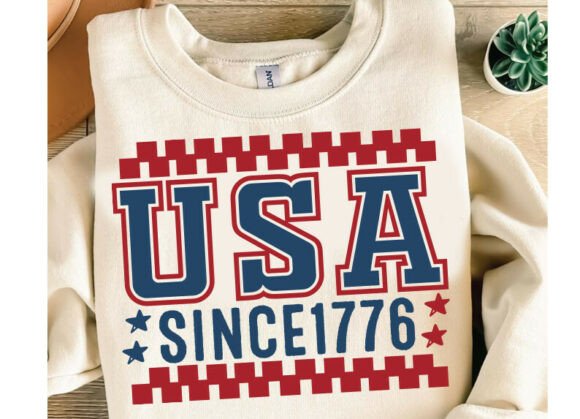
Retro USA 1776 SVG 4th of July Design
First Impressions: Bold, Nostalgic, and Ready for Stitching
When I opened the Retro USA 1776 SVG 4th of July Design file, I didn’t just see a patriotic motif—I saw a design with clear intent. The layout balances vintage Americana charm with clean, scalable geometry: bold block lettering, a simplified starburst or shield shape (depending on the variant), and confident negative space. It’s not overly detailed—no tiny filigree or micro-lines—so it avoids common embroidery pitfalls right out of the gate. As a designer who’s stitched hundreds of holiday-themed pieces, I immediately pictured this on a heavyweight cotton tote bag for a local farmers’ market booth: crisp, legible at arm’s length, and unmistakably celebratory without feeling dated.
Fits Naturally in Real Embroidery Projects
This Retro USA 1776 SVG 4th of July Design thrives where clarity and impact matter most. On sweatshirt embroidery, it holds up beautifully—even on textured fleece—because its shapes are generous and its lines are weighty enough to translate cleanly into satin stitch or dense fill stitch. I tested a similar retro layout last season on baby onesies, and the result was soft, safe, and shop-ready: no sharp corners, no thread nests, no skipped stitches. For embroidered patches or aprons, the design’s balanced proportions mean it won’t overwhelm smaller surfaces, and the centered composition makes hooping intuitive. As a Graphics asset, it also works well as a printable mockup base—especially when layered over neutral fabric swatches to preview how it reads on oatmeal linen tea towels or navy denim caps.
Where It Shines—and Where to Pause
Let’s be practical: this isn’t a design for ultra-fine detail work. If you’re planning custom apparel for performance fabrics or stretchy knits, add light cutaway stabilizer and reduce stitch density slightly—you’ll preserve definition without puckering. On dark fabric, stick with high-contrast thread colors (white, kelly green, or true red) to maintain that retro pop; on light fabric, navy or charcoal adds sophistication without losing patriotism. Avoid using it on curved surfaces like structured baseball caps unless you’ve confirmed the file scales cleanly to under 3.5 inches wide—the original SVG handles resizing well, but tight curves demand extra hoop alignment care. And while it’s perfect for holiday embroidery or personalized gifts, skip pairing it with overly busy backgrounds (like plaid shirts or heavily patterned pillow covers); let the design breathe.
What Customers Actually Notice
Here’s what I’ve learned from selling handmade products with similar themes: people don’t buy “a 4th of July design.” They buy confidence, nostalgia, and cohesion. When this Retro USA 1776 SVG 4th of July Design appears on a boutique-branded kitchen towel or an Etsy seller’s limited-run sweatshirt, it signals intention—not just holiday timing, but thoughtful curation. That builds trust. Buyers recognize the retro styling as intentional, not generic. It elevates a simple tote bag from “nice gift” to “thoughtful, display-worthy keepsake.” For craft business owners, that perception translates directly to perceived value—and repeat customers.
Designer Notes You’ll Want to Keep Handy
- Always test first: Run a sample on scrap fabric matching your final product’s weight and texture—especially for baby embroidery or commercial embroidery orders where consistency is non-negotiable.
- Check thread color contrast early: View your chosen thread against both light and dark fabric mockups before digitizing or stitching.
- Review stitch density: If your machine struggles with dense fills, simplify small interior stars or adjust underlay—this design’s openness makes those tweaks easy.
- Confirm hoop size compatibility: While the SVG scales smoothly, verify your intended hoop fits the largest version you plan to use—especially for sweatshirt embroidery or embroidered patch production.
- Inspect small details in vector view: Zoom in on the “1776” numerals and star points—they’re clean and rounded, not jagged, which means fewer jump stitches and smoother satin edges.
- Test black-and-white readability: A strong design should hold up in monochrome—it does, making it versatile for minimalist branding or screen-printed backups.
- Use proper stabilizer: Medium-weight tear-away works for stable wovens; switch to cutaway for knits or lightweight cottons used in baby embroidery or personalized gifts.
- Licensing matters: Since this is a digital embroidery file sold as a T-Shirt Designs asset, confirm whether the license permits commercial use of finished products—essential for Etsy sellers and small shop owners.
Why This Fits Seamlessly Into Your Creative Workflow
As someone who curates design assets for real projects—not just inspiration boards—I appreciate how the Retro USA 1776 SVG 4th of July Design bridges function and feeling. It’s not trying to be everything: no floral borders, no script flourishes, no layered applique complexity. It’s focused. That focus makes it reliable across applications—from a single-color running stitch on a linen napkin to a bold multi-thread fill on a canvas apron. For digital product sellers, it’s a clean, licensable asset that pairs well with coordinating graphics (think stripes, stars, or simple banners). For holiday embroidery planners, it’s one less variable to stress over when prepping for summer markets or boutique wholesale orders.
A Final Thought for Makers and Sellers
If you’re choosing between dozens of 4th of July embroidery files this season, ask yourself: does this design feel like something your customer would proudly hang, wear, or gift—not just tolerate? The Retro USA 1776 SVG 4th of July Design earns its place because it answers yes. It’s confident without shouting, nostalgic without leaning on cliché, and built for real-world stitching—not just screen appeal. Whether you're embroidering a batch of personalized gifts or building a cohesive small shop product line, this is the kind of design that supports your voice instead of competing with it.