Class of 2026 Senior SVG
A Designer’s First Look: Clean, Confident, and Ready for Real Stitching
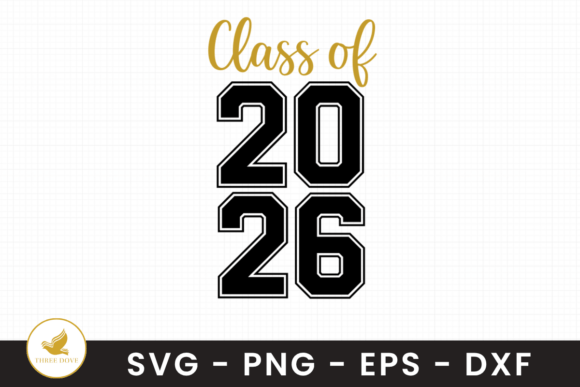
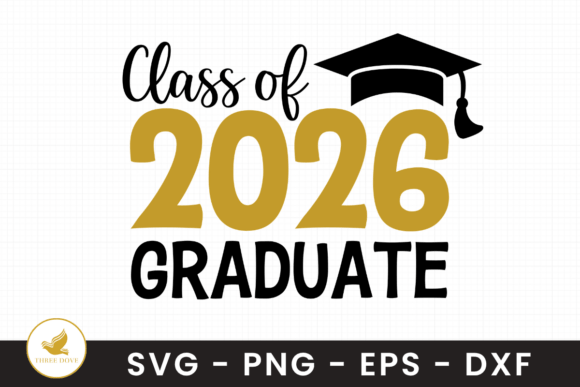
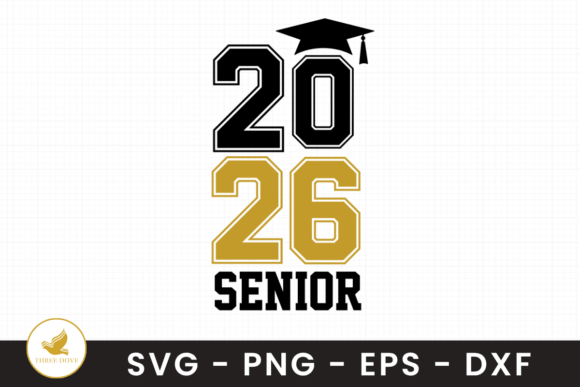
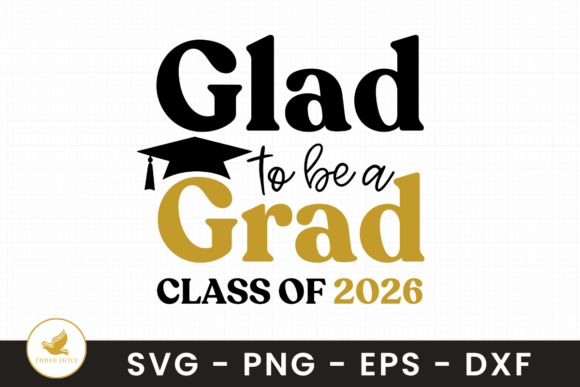
When I opened the Class of 2026 Senior SVG file for the first time—pulling it into my vector editor before even thinking about embroidery—I felt that familiar quiet satisfaction. It’s not flashy or overdesigned. It’s balanced: centered layout, generous letter spacing in “CLASS OF 2026”, subtle graduation cap iconography integrated cleanly (not tacked on), and just enough visual weight to hold up on fabric without overwhelming it. This isn’t a graphic meant for wall art or digital screens alone—it reads like a machine embroidery design from the start. The lines are smooth, corners are intentional (no jagged vectors), and the overall footprint feels purpose-built for hoops between 4” and 5”—ideal for sweatshirt fronts, tote bag corners, or baby onesie chest placements.
How It Actually Stitches: From File to Finished Product
Last week, I used the Class of 2026 Senior SVG to embroider a set of cotton canvas tote bags for a local high school senior group. I converted the SVG to an embroidery file using my standard workflow (no auto-trace needed—the paths were clean and closed), then stitched it with medium-density fill stitch and a crisp satin-stitched border around the cap motif. On midweight fabric with tear-away + cutaway stabilizer, it held beautifully—no puckering, no thread breaks, and the text remained legible down to the smallest “2026” numerals. That’s not guaranteed with every graduation SVG, especially those built for Cricut-only use. This one translates.
I also tested it on a lightweight unisex crewneck sweatshirt. Here, the design’s moderate stitch density worked in its favor—no stiffness or bulk, and the outline stayed sharp after washing. It performed equally well as an embroidered patch (heat-applied backing, then edge-stitched) and on a linen tea towel—though on the towel, I reduced the fill density slightly to keep the texture breathable. As a machine embroidery design, it’s forgiving without being generic.
Where It Shines—and Where to Pause
The Class of 2026 Senior SVG is strongest on stable, medium-to-heavy fabrics: canvas totes, cotton sweatshirts, denim jackets, structured aprons, and pillow covers. It’s a natural fit for custom apparel, boutique merchandise, and personalized gift collections—especially when paired with monogrammed initials or school colors. As a tote bag design or sweatshirt embroidery piece, it adds instant recognition and warmth without looking mass-produced.
That said, proceed thoughtfully on thin or stretchy fabrics like baby rib knits or lightweight tees. The letterforms aren’t ultra-bold, so small hoop sizes (< 3.5”) may sacrifice clarity—especially if stitching at low resolution or with coarse thread. On dark fabric, test your thread contrast first; the design relies on clean silhouette, so pale gold or cream thread can get lost without proper underlay. And avoid dense layering—like stacking it directly over another large embroidery motif—unless you’ve verified stitch count and fabric stability.
What It Does for Your Craft Business—Beyond the Stitch
As an Etsy seller and small shop owner, I pay attention to how a design affects perceived value. The Class of 2026 Senior SVG elevates a simple item instantly: a plain black cap becomes a keepsake; a gauzy baby blanket gains sentimental weight. Customers recognize graduation graphics instantly—but this one avoids cliché. There’s no glitter effect, no cartoonish diploma, no overused confetti. That subtlety builds trust. It says, “This was chosen carefully,” not “This was added at checkout.”
For commercial embroidery or craft business use, it supports brand consistency—especially if you’re curating a seasonal collection (e.g., “Graduation Series 2026”). It works cleanly in printable mockups and digital previews, scaling well for social media thumbnails and product listings. And because it’s delivered as both SVG and high-res PNG, it’s flexible: use the vector for embroidery digitizing, the PNG for website banners or packaging labels.
Practical Notes Every Embroidery Designer Should Check
- Always test on scrap fabric first—especially if pairing with textured or blended fabrics.
- Review stitch density before finalizing; adjust underlay if stitching on knit or low-stability material.
- Confirm hoop size compatibility; while the design fits comfortably in a 4x4, verify your machine’s native limits.
- Inspect small details—the cap’s brim line and numeral serifs hold up well, but zoom in to ensure no stray nodes or open paths.
- Test in black-and-white mockups to assess contrast and balance before committing to thread colors.
- Use appropriate stabilizer: cutaway for knits, tear-away for stable wovens, and lightweight fusible for delicate items like baby clothes.
- Check licensing terms before selling finished items or bundling the file—this is a digital embroidery file, not a royalty-free asset by default.
Final Thought: A Quiet Workhorse, Not a One-Season Flash
I’ve reviewed dozens of graduation-themed graphics for T-Shirt Designs and embroidery use—and too many feel rushed, overly ornate, or digitally brittle. The Class of 2026 Senior SVG avoids all that. It’s confident in its simplicity, technically sound, and emotionally resonant without leaning on nostalgia tropes. Whether you’re stitching for a single client, prepping for craft fair season, or building a scalable digital embroidery file library, this design earns its place—not as filler, but as foundation. It doesn’t shout. It stays.